8 min read
Over 85% of dogs show an involuntary kicking reflex when scratched in just the right spot, according to veterinary neurology research. This “sweet spot” phenomenon is so widespread that it’s become a running joke among pet owners—but the reality is more fascinating (and important) than most realise. Understanding why your dog kicks when you scratch them isn’t just a quirky party fact; it tells you something concrete about their nervous system, their comfort, and even their breed’s unique anatomy.
What Actually Triggers the Dog Scratch Reflex?
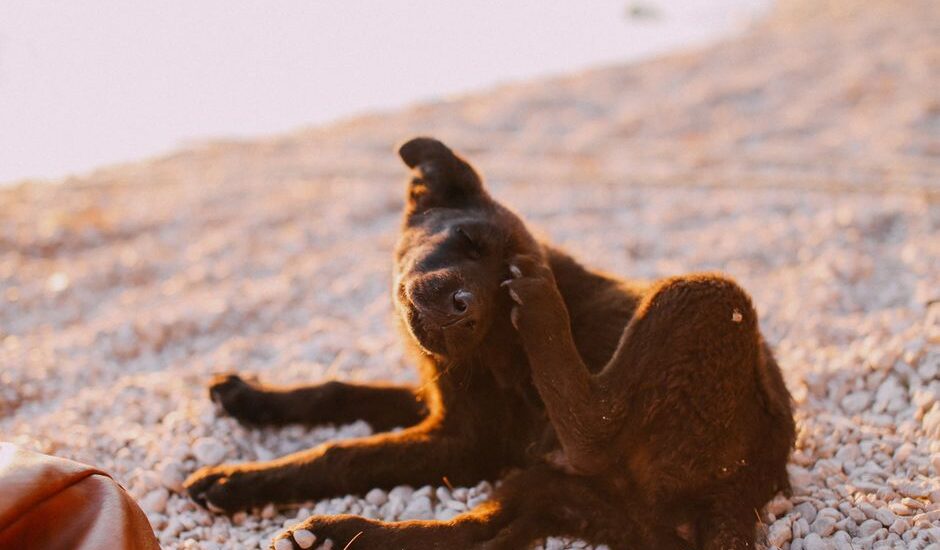
The kicking you see when scratching your dog’s flank or belly is a classic example of the “cutaneous trunci reflex”—a nerve-driven, automatic response that evolved for survival. When you scratch certain areas (typically the side of the belly, just behind the ribs), you’re stimulating clusters of nerve endings right under the skin. These nerves send a rapid signal up the spinal cord, bypassing the brain entirely, and trigger the leg to kick in a rapid, repetitive motion.
This reflex originally helped wild canines dislodge insects, burrs, or other irritants. Even today, the response is strongest in areas where pests are most likely to bite—along the ribs, under the armpits, and behind the thighs. The reflex is not a sign of pleasure or annoyance per se; it’s simply your dog’s nervous system doing its job.
Comparison Table: Scratch Reflex Sensitivity by Breed, Age, and Anatomy
| Category | Typical Reflex Intensity | Most Sensitive Areas | Breed/Age Notes | Potential Health Concerns |
|---|---|---|---|---|
| Short-coated breeds | High (80–90% show strong reflex) | Belly, ribs, armpits | Boxers, Chihuahuas, Dalmatians | Monitor for skin irritation; more prone to visible scratching |
| Long/double-coated breeds | Moderate (60–70%) | Behind front legs, flanks | Huskies, Collies, Retrievers | Harder to spot skin issues; matting can hide irritation |
| Puppies (under 12 months) | Variable (30–80%) | Lower belly, sides | Reflex may not be fully developed | Gentle touch required; more sensitive skin |
| Seniors (8+ years) | Reduced (40–60%) | Flank, near tail | Possible nerve changes with age | Watch for pain or reluctance; could signal arthritis |
| Small/toy breeds | High (85%+) | Chest, belly, back legs | Terriers, Toy Poodles, Pugs | Delicate skin; avoid aggressive scratching |
| Large/giant breeds | Lower (50–65%) | Sides, base of tail | Labs, Mastiffs, Great Danes | Thicker skin, more muscle; reflex less pronounced |
Not Every Dog Kicks: Why Some Don’t Respond at All
If your dog doesn’t kick when scratched, there’s rarely cause for worry. Around 10–15% of healthy dogs simply have a weaker scratch reflex, often due to genetic differences in nerve distribution, thicker skin, or age-related changes. Very young puppies may not have a fully developed reflex, and in senior dogs, the response can fade as nerve function changes with age. However, if your dog previously had a strong reflex and it suddenly disappears, or if scratching a spot causes pain or yelping, consult a veterinarian—this can signal nerve injury or underlying discomfort.
Breed and Coat Type: Why Sensitivity Isn’t the Same for Every Dog
Reflex strength and sensitivity vary widely by breed and coat type. Short-haired breeds like Boxers or Pugs typically have more exposed nerve endings close to the skin, so their scratch reflex is easily triggered. Double-coated breeds, such as Huskies or Collies, have a layer of insulating fur that can dampen the response. Meanwhile, breeds with loose skin (think Shar Peis or Basset Hounds) may have the strongest visible kicks, as their skin shifts more dramatically over muscle and nerve clusters.
Breed-specific anatomy also plays a role. Sighthounds, for example, tend to have less subcutaneous fat and thinner skin, making their sweet spots more responsive. On the other hand, heavily muscled or thick-skinned breeds may show only a subtle twitch, not a full-leg kick.
for different coat types and grooming tools matched to your dog’s anatomy.
Age Matters: Puppies, Adults, and Seniors All React Differently
Puppies under 12 months often have a patchy or absent scratch reflex—nerve pathways are still developing, and their skin is especially sensitive. Adult dogs (1–7 years) tend to show the strongest, most consistent kicks. In seniors, the reflex can fade or become uneven; this is usually normal, but if you notice other signs of nerve decline (dragging paws, weakness), bring it up at your next checkup.
Regardless of age, always watch your dog’s body language. A sudden flinch, yelp, or attempt to move away is a clear “stop” signal, even if the reflex itself seems funny or endearing.
Is the Scratch Reflex a Sign of Enjoyment, Annoyance, or Something Else?
Owners often interpret the kicking leg as a sign their dog “loves” being scratched—but the truth is more nuanced. The reflex itself is involuntary: it doesn’t mean your dog is enjoying (or hating) the sensation. Instead, look for other cues: relaxed breathing, a wagging tail, or leaning into your hand signal comfort; tense muscles, pinned-back ears, or moving away mean you’ve hit a spot that’s more irritating than pleasant.
For some dogs, repeated scratching in the same spot can actually become uncomfortable, especially if the skin is sensitive or there’s an underlying issue (like allergies or fleas). Moderate your scratch sessions and keep an eye out for redness or hair loss in “sweet spot” regions.
on grooming mitts and gentle brushes designed for sensitive-skinned dogs.
When a Strong Scratch Reflex Signals a Health Problem
While most scratch reflexes are harmless, there are red flags to watch for. If your dog suddenly becomes obsessed with scratching or licking a particular spot, or if the kicking is accompanied by yelping, biting, or skin changes (redness, sores, scabs), it could indicate:
- Fleas, ticks, or mites (external parasites)
- Skin allergies (environmental or food-related)
- Localized pain or nerve inflammation
- Hot spots or bacterial/fungal infections
Persistent or extreme scratching—especially if it leads to hair loss or open sores—warrants a veterinary exam. The involuntary reflex shouldn’t cause distress or injury. For a deep dive into canine skin health, see the MSD Veterinary Manual, a widely respected resource for pet health information.
Related Guides
- Our guide to Why Does My Dog Have a Dry Nose? Common Causes Explained
- How to Use a Dog Nail File: A Step-by-Step Guide for Pet Owners
- Why Don’t Dogs Recognize Their Reflections in Mirrors?
- Our guide to Is Cherry Eye in Dogs Contagious? What Owners Need to Know
- How to Teach Your Dog to Settle on a Mat: Step-by-Step Guide
- Dog Weighing Scales That Actually Work: Our Top Picks for Pet Owners
- Browse all Training & Behaviour →
Red flags in listings to walk past
- No mention of coat or breed suitability: Generic grooming tools or itch-relief sprays that don’t specify which coat types or breeds they’re for often underperform or cause discomfort.
- Missing dimensions or sizing info: Tools that don’t list head width, handle length, or bristle spacing are likely generic imports not designed for real dogs—risking injury or poor results.
- Claims of “one-size-fits-all” reflex solutions: No two dogs react identically. Any product promising to “fix” the scratch reflex for all breeds or ages is overselling.
- Photoshopped before/after images: Listings that rely on obviously doctored pictures to show “sweet spot” responses are rarely trustworthy.
- Vague ingredient lists for itch lotions or sprays: If you can’t find a full breakdown of active ingredients and concentrations, skip it—especially for dogs with allergies or sensitive skin.
FAQ: Kicking, Scratching, and What’s Normal
Why does my dog kick when I scratch a specific spot?
This is called the scratch reflex, triggered by nerve clusters under the skin. Scratching these spots sends a signal to the spinal cord, causing the leg to kick involuntarily—originally an evolutionary defense against parasites.
Is it bad if my dog kicks a lot during scratching?
Occasional kicking is normal and harmless. However, if your dog seems distressed, tries to move away, or develops redness or sores, stop and check for signs of irritation or underlying skin problems.
How long does the scratch reflex last during a session?
Typically, the reflex lasts as long as you’re stimulating the nerve cluster—usually 5–30 seconds per session. If you stop scratching, the kicking stops almost immediately.
Scratch reflex vs. itching: which is which?
The scratch reflex is an automatic, immediate response to a specific touch, usually in the belly, flank, or thigh area. Itching is a broader sensation that leads dogs to scratch themselves intentionally, often due to allergies or parasites.
Should I avoid scratching my dog’s “sweet spot” if they kick?
Not necessarily. As long as your dog seems relaxed and happy, gentle scratching is fine. But be attentive—if they look uncomfortable, stop and check the area for irritation or injury.
What if my dog never kicks when scratched?
Some dogs have a weaker or absent scratch reflex due to breed, age, or individual nerve differences. As long as your dog is otherwise healthy and responsive, this is not a cause for concern.
Can the scratch reflex indicate a medical problem?
Rarely, a sudden change in the reflex (especially if paired with pain, limping, or skin issues) can signal nerve injury or underlying illness. If you notice drastic changes, consult a veterinarian for an assessment.
Practical Takeaway: Respect the Reflex, But Don’t Overthink It
The classic dog-kicking-when-scratched routine is more than just a cute quirk—it’s a sign of a healthy, responsive nervous system. The reflex varies by breed, coat, and age, and isn’t a direct window into your dog’s emotional state. Use it as a check-in: if your dog enjoys the scratch and shows no signs of discomfort, it’s perfectly safe. But if you spot irritation, sudden changes, or excessive scratching, it’s time to dig deeper or seek advice. For grooming tools and itch-relief options tailored to your dog’s unique needs,and choose what matches their anatomy and sensitivity.
Last updated: June 2026 · How we put guides together