10 min read
Disclosure: As an Amazon Associate and eBay Partner Network publisher, we earn from qualifying purchases. This doesn’t affect what we recommend or how we describe it.
Trimming paw hair is one of those unglamorous but essential dog-care tasks that divides owners into three camps: those with fluffy, fast-growing breeds who battle paw “slippers” every month; those with active dogs who track mud and debris indoors; and those whose seniors slip on slick floors, risking injury. Each group has a different reason for reaching for the scissors — but all face the same critical challenge: how to trim paw hair safely, without nicks, stress, or accidental injury. The margin for error is small, especially with fidgety dogs or black paw pads. Here’s how to do it right, no matter your dog’s age, temperament, or coat type.
Why trimming paw hair isn’t just about looks
Overgrown paw hair does more than make your dog look shaggy. On breeds like Golden Retrievers, Cavaliers, and Cocker Spaniels, the feathery hair between the pads can trap grit, mud, and ice balls — creating a slip hazard and increasing the risk of skin infections or matting. For older dogs, long paw hair is a common culprit behind slipping on hardwood or tile, especially if mobility is already compromised. Even short-haired breeds can benefit from periodic paw trims if they spend time outdoors or have allergies that worsen with trapped debris.
Ignoring paw hair can lead to:
- Slipping and falls — especially on smooth floors or stairs.
- Matting and knots — which can pull painfully with each step.
- Foreign body injuries — like burrs or foxtails lodging between pads.
- Moisture retention — which can trigger fungal or bacterial infections.
For active dogs, regular trims mean less mess indoors and fewer post-walk cleanups. For seniors, it can be the difference between confident walking and a dangerous slip.
Which tool type works best for your dog?
| Tool Type | Best For | Blade/Size | Safety Features | Noise Level | Price |
|---|---|---|---|---|---|
| Round-Tip Scissors | Puppies, anxious dogs, small paws | Blade 3-4″ / rounded ends | Blunt tips, finger rest | Silent | $ |
| Mini Grooming Clippers | Double-coated, thick/curly fur | Blade width 0.5-1″ | Guard combs (3-6mm), safety lock | Low (under 60 dB) | $$ |
| Thinning Shears | Fluffy breeds, blending feathering | Blade 5-6″ / 30-40 teeth | Blunt tips, finger rest | Silent | $$ |
| Electric Trimmers (Cordless) | Large breeds, pro-level finish | Blade width 1-1.5″ | Anti-slip grip, safety guards | Medium (60-75 dB) | $$$ |
| Manual Razor Comb | Quick touch-ups, travel | Comb 2-3″ / replaceable blade | Covered blade, ergonomic handle | Silent | $ |
Pricing key: $ marks the budget tier, $$ the mid-range, $$$ the premium picks. Tiers are relative to the products in this comparison; actual prices update live below.
Related Guides
What most buying guides get wrong about paw hair trimming
Most advice lumps all dogs together, but the best trimming method depends on a surprising mix of factors: coat type, paw size, temperament, and the owner’s own dexterity. For example, curly-haired breeds like Poodles or Doodles may need mini clippers to cut through dense fur, while a Papillon or Chihuahua often does best with small round-tip scissors. If your dog is noise-sensitive, even the quietest clippers (under 60 dB) may cause stress — in which case silent tools are a must. Don’t overlook your own comfort: scissors with finger rests and anti-slip handles reduce the risk of accidental slips, especially during longer sessions.
It’s also easy to underestimate the importance of blade width. For toy breeds or puppies, blades over 1″ wide can make precise trimming nearly impossible, while larger dogs benefit from wider blades for efficient coverage. If you’re not sure which approach fits your situation, compare today’s deals for different tool types and see which fits your hand and your dog’s needs.
How to trim your dog’s paw hair: Step-by-step guide
- Gather your supplies and prep your space. Choose a well-lit, quiet area. Have your trimming tool (scissors, clippers, or both), a clean towel, styptic powder (for minor nicks), and high-value treats ready.
- Check and clean the paws. Examine each paw for debris, mats, or foreign objects. Use a damp cloth to wipe the pads and let them dry fully before trimming.
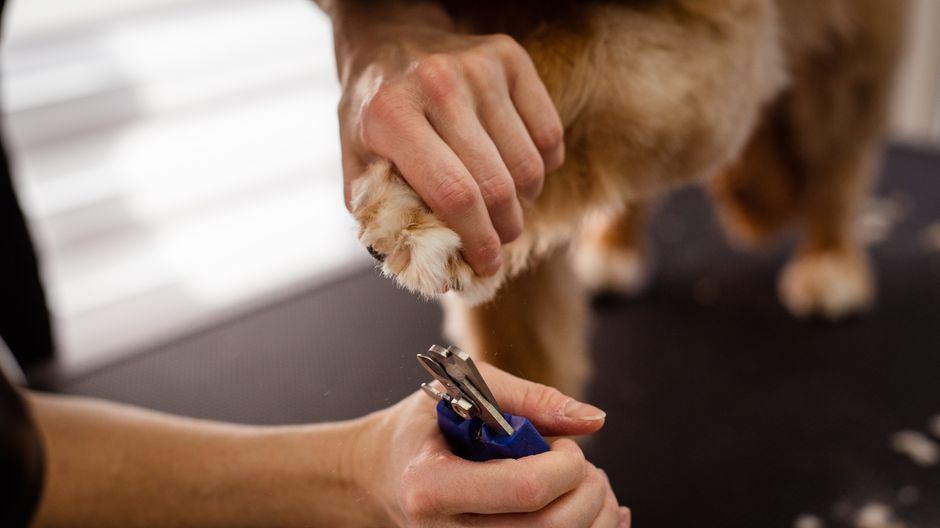
- Hold the paw securely but gently. Support your dog’s leg so the paw is facing up. Spread the toes using gentle pressure, exposing the hair between pads. Keep your grip relaxed to avoid stressing your dog.
- Trim the hair between the pads. With round-tip scissors or a guarded clipper, trim hair flush with the pads, working slowly from the center outward. For nervous dogs, trim a few hairs at a time and reward frequently.
- Neaten the edges and tops of the paws. Trim any long hair sprouting beyond the edge of each paw, following the natural outline. For breeds with “feathering,” use thinning shears to blend the transitions for a natural look.
- Check your work and tidy up. Run your finger between the pads to check for missed spots or sharp edges. Remove trimmed hair, check for nicks, and offer a final treat and praise.
For a closer look at safe trimming angles and handling, the Dogs Naturally Magazine website offers visual guides and additional tips.
The spec almost nobody talks about: blade sharpness and hygiene
Most owners focus on tool type, but blade sharpness is just as critical. Dull blades can tug at hair, causing discomfort and increasing the risk of uneven cuts or accidental snips to the skin. For scissors, check sharpness every 3-6 months if used regularly; for clippers, replace or sharpen blades annually, or sooner if you notice resistance. Always clean blades with alcohol or a pet-safe disinfectant after each use to prevent the spread of bacteria or fungus — especially if your dog has sensitive skin or allergies.
Some advanced owners invest in a second set of tools specifically for paw trims, to avoid cross-contamination from body grooming. If you’re trimming multiple dogs, this is especially smart.
See what’s available for replacement blades and cleaning kits designed for pet grooming tools.Breed and age: What changes for puppies, seniors, and specific breeds
Breed and life stage play a bigger role than most guides admit. For example, double-coated breeds (like Shelties or Aussies) grow dense underfoot tufts that trap debris — these need more frequent trims (every 2-4 weeks) and benefit from mini clippers or thinning shears for a natural finish. Fluffy toy breeds (e.g., Maltese, Shih Tzu) often need round-tip scissors to navigate tiny paws safely. Breeds with webbed feet (Labs, Goldens) may have more hair between the toes, increasing the risk of mats and foreign body injuries.
Puppies require extra patience: their pads are soft, paws are small, and they may squirm. Use the smallest blades (under 1″ width) and keep sessions short, with frequent positive reinforcement. Seniors, especially those with arthritis or mobility issues, benefit from trimmed paw hair to prevent slips — but be gentle, as their skin can be thinner and more prone to nicks. For both age extremes, a non-slip mat underfoot helps reduce stress and movement during the trim.
View available options for tool sizes suited to puppies and small breeds.Total cost of ownership
Trimming paw hair at home isn’t free after the initial tool purchase. Here are the overlooked costs to factor in:
- Blade sharpening or replacement: Expect to sharpen or swap out scissors/clippers every 12-18 months ($10-$30/year depending on usage and tool type).
- Cleaning/disinfection supplies: Alcohol wipes or pet-safe grooming disinfectant add $5-$15/year, especially if trimming after muddy walks or for multiple dogs.
- Styptic powder or pads: Minor nicks happen, especially with wriggly dogs; a tin or pack lasts 6-12 months and costs $3-$8.
- Replacement guard combs or batteries (for clippers): Guards wear out or get lost; batteries for cordless tools may need replacing every 1-2 years ($8-$20).
- Professional groomer fallback: If you need a pro touch-up once or twice a year, factor in $30-$60 per session, depending on your area.
Budgeting for these extras means fewer surprises — and less temptation to cut corners on hygiene or safety.
FAQ: Paw hair trimming questions owners actually ask
How often should I trim my dog’s paw hair?
Most dogs benefit from a trim every 3-6 weeks, but active dogs or long-haired breeds may need it every 2-4 weeks. Monitor for hair that extends beyond the paw pad or collects dirt, as this signals it’s time for another session.
Is it better to use scissors or clippers for paw hair?
For small or sensitive paws, rounded-tip scissors offer maximum control and safety. For dense, curly, or thick fur, mini clippers with guard combs give a smoother finish and reduce risk of pulling. Many owners use both: scissors for between the pads, clippers for the tops and edges.
How long does a typical paw trim session take?
On a cooperative dog, a paw trim usually takes 8-15 minutes for all four feet. Puppies, anxious dogs, or those with heavy mats may require up to 30 minutes, often split into shorter sessions with breaks.
What should I do if my dog won’t hold still?
Start with brief, positive sessions — even just a few snips at a time. Use treats, praise, and a helper if needed. For very anxious dogs, consider working after exercise, using a non-slip mat, or consulting a force-free groomer for handling tips. Never rush or restrain forcefully, as this increases stress and risk of injury.
Scissors vs clippers: Which is safer for puppies?
Rounded-tip scissors are generally safer for puppies, as their skin is delicate and paws are small. Clippers can be used with a guard comb but may be intimidating for noise-sensitive or wiggly pups. Always introduce new tools gradually and associate them with treats.
Can I return or exchange grooming tools if they don’t fit my dog?
Most reputable pet supply retailers offer returns within 30 days if tools are unused or lightly tested. Check for fit and comfort on your dog’s paw before committing. Some sellers offer size exchanges for scissors or clippers — review their policy before purchasing.
Common mistakes that cause accidental injury
Even careful owners make preventable errors. The most frequent include:
- Using dull or oversized blades, which tug hair or obscure your view of the pad.
- Trimming when your dog is anxious, tired, or after a stressful event — increasing squirming and risk.
- Skipping the paw check, missing hidden debris or mats that can catch the blade.
- Not cleaning tools between dogs or sessions, which spreads bacteria and increases infection risk.
- Cutting too close to the skin or pads, especially if your dog has black pads that obscure the hair-skin boundary.
Take your time, keep your tools sharp and clean, and prioritize your dog’s comfort over speed. If you’re ever unsure, consult a professional groomer for a demo — or schedule a session to watch and learn before trying at home.
Bottom line: Safe, stress-free paw trims are absolutely doable
Trimming your dog’s paw hair is a manageable DIY task with the right tools, preparation, and patience. Choose scissors or clippers matched to your dog’s size and coat, keep blades sharp, and prioritize comfort and safety at every step. The payoff isn’t just a tidier home — it’s fewer slips, healthier paws, and a dog who’s more comfortable on every walk. If you don’t feel confident after your first try, don’t be afraid to ask a groomer for a hands-on lesson. For most owners, a little practice makes paw trims quick and drama-free for years to come.


Last updated: June 2026 · About our research