7 min read
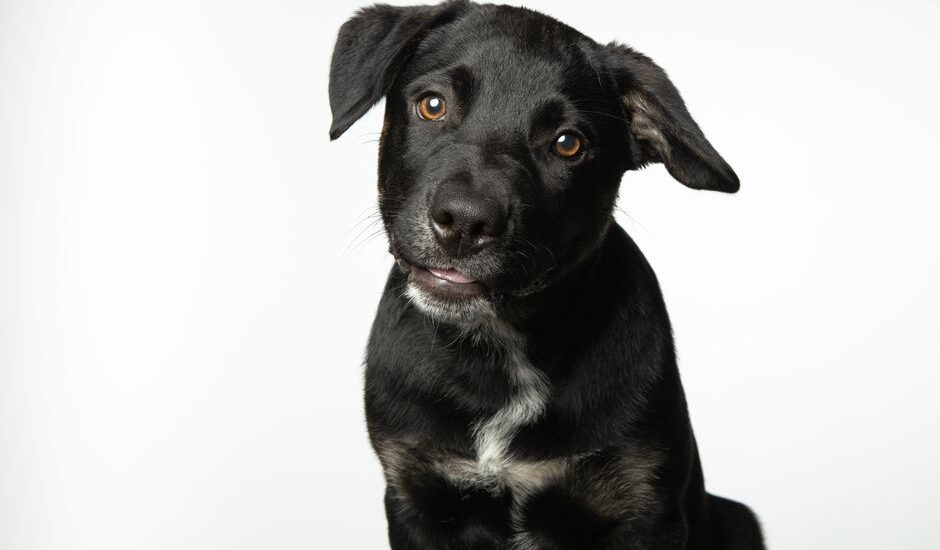
Your dog’s head is cocked to one side, eyes wide, maybe a little off balance. Is it a cute quirk, or a sign of something serious? Head tilting in dogs can be as harmless as a moment of curiosity—or as urgent as a call for immediate veterinary attention. This guide breaks down the real causes, what you need to watch for, and how to know when a head tilt is a problem you can’t ignore.
Why Dogs Tilt Their Heads: Beyond the Cute Factor
A quick tilt of the head can mean your dog is trying to hear better, see your face more clearly, or simply responding to a new sound. But persistent or sudden head tilting—especially when paired with stumbling, circling, or rapid eye movements—can signal a deeper issue. The causes range from mild ear infections to neurological conditions, and the difference isn’t always obvious at a glance.
Biggest Causes of Head Tilting in Dogs (and How to Tell Them Apart)
Not all head tilts are created equal. Here’s a breakdown of the most common medical causes, what you’ll notice, and how urgently you need to act.
| Cause Type | Typical Age Group | Key Signs Beyond Head Tilt | Urgency | Possible Recovery Time |
|---|---|---|---|---|
| Ear Infection (Otitis) | All ages | Scratching, ear odor, redness, discharge | Moderate to High | 1–3 weeks |
| Vestibular Disease (Old Dog Vestibular Syndrome) | Seniors (8+ yrs) | Loss of balance, rapid eye movements, nausea | High | 2–4 weeks |
| Foreign Body in Ear | All ages (esp. outdoor dogs) | Pawing at ear, sudden pain, shaking head | High | Days to 2 weeks |
| Neurological Issue (e.g. tumor, trauma) | Any, but more common in seniors | Seizures, behavior changes, severe imbalance | Critical | Varies—weeks to months |
| Congenital Vestibular Disorder | Puppies (few weeks–months) | Head tilt from birth, slow improvement | Moderate | Months (may persist) |
| Medication Side Effect | Any (recent med changes) | Appears after new med, no infection signs | Moderate | Days to weeks (after stopping med) |
Ear Infections: The Most Overlooked Culprit
Ear infections (otitis externa or interna) are the single most common cause of a new head tilt in otherwise healthy dogs. Signs go beyond just the tilt—look for redness inside the ear, a distinct yeasty or foul odor, discharge, or your dog constantly scratching or rubbing that ear. Dogs with floppy ears or lots of hair in the ear canal (think Cocker Spaniels or Poodles) are at higher risk. Untreated, ear infections can lead to permanent balance problems—so don’t wait to act.
Most cases clear up within 1–3 weeks with appropriate veterinary treatment. For a deep dive into canine ear health, check out the MSD Veterinary Manual, which covers otitis and related complications.
for dog-safe ear cleaning solutions if your vet recommends routine cleaning as part of ongoing care.
Vestibular Disease: When a Head Tilt Signals a Balance Crisis
Sudden, dramatic head tilting in older dogs—especially if your dog is stumbling, falling, or showing rapid side-to-side eye movements (nystagmus)—often points to vestibular disease. Sometimes called “old dog vestibular syndrome,” this condition affects the inner ear’s balance center. While it looks alarming, most dogs improve significantly within 2–4 weeks, though a slight tilt may linger.
Vestibular disease can also affect younger dogs, usually due to infection, trauma, or toxins. It’s urgent, but not always life-threatening. Supportive care, anti-nausea meds, and time are the mainstays. Always consult your vet for a proper diagnosis.
on supportive harnesses or non-slip mats if your dog is struggling with balance.
Foreign Bodies: Grass Seeds, Bugs, and Other Ear Invaders
Sudden head tilting with frantic pawing at the ear, yelping, or immediate pain is often due to something stuck in the ear canal. This is especially common in dogs that love rolling in grass or weeds. Burrs, foxtails, and even insects can lodge deep inside. Attempting to remove objects yourself risks pushing them further or damaging the ear. Veterinary removal is almost always required.
for aftercare supplies or protective dog ear wraps if your pet has a history of ear foreign bodies.
Related Guides
- What Causes Food Allergies in Dogs? Understanding the Key Triggers
- A No-Nonsense Guide to the Best Flea Collars for Dogs
- Dewormers for Dogs 2026: Tried, Tested and Reviewed
- Best ID Tags for Dogs 2026: Our Top Picks
- Best Joint Care Supplements for Dogs 2026: Our Top Picks
- The Best Dental Chews for Dogs, Reviewed
- Browse all Health & Wellness →
Neurological Disorders: When the Problem Starts in the Brain
Serious neurological issues—such as brain tumors, meningitis, or trauma—can also cause persistent head tilting. These are more likely if the tilt is accompanied by other neurological signs: seizures, dramatic behavior changes, circling, or severe, uncoordinated movement. These cases are critical and often require advanced imaging and specialist care. While rare, they’re the reason any unexplained, severe, or rapidly worsening head tilt deserves prompt veterinary attention.
For an overview of canine neurological disorders, the Merck Veterinary Manual contains detailed, peer-reviewed resources for further reading.
Breed and Life Stage: Who’s Most at Risk?
Some breeds and life stages face higher odds of developing a head tilt. Floppy-eared dogs (Basset Hounds, Beagles) and those with lots of fur in their ear canals are at risk for chronic ear infections, especially if they swim or get bathed often. Senior dogs (8+ years) are much more likely to develop vestibular disease, while puppies may be born with congenital balance issues that show up as a lifelong tilt.
Short-nosed (brachycephalic) breeds are not more likely to tilt their heads, but their unique skull shape can complicate ear canal access and care. If you have a breed prone to ear problems, routine checks and early intervention are essential.
Common mistakes to avoid
- Assuming all head tilts are cute or harmless: Many owners delay seeking help, missing early signs of infection or neurological disease that worsen over days.
- Using cotton swabs inside the ear canal: This often pushes debris deeper, risking eardrum damage and making infections worse.
- Trying home remedies found online: Substances like vinegar, oils, or hydrogen peroxide can seriously irritate or damage the ear, especially if the eardrum is compromised.
- Ignoring subtle signs in senior dogs: Even mild tilting in older dogs can escalate quickly if due to vestibular disease or a tumor—early vet assessment is critical.
- Stopping prescribed medication too soon: Ear infections may look better before they’re fully cleared. Cutting treatment short often leads to stubborn, recurring infections.
Frequently Asked Questions About Head Tilting in Dogs
How long does it take for a dog’s head tilt to resolve?
If caused by vestibular disease, improvement often begins within 72 hours, but the tilt may persist for 2–4 weeks. Ear infection-related tilts usually clear within 1–3 weeks with proper treatment. Chronic or congenital tilts may never fully resolve.
Is head tilting ever normal in puppies?
Brief head tilting in response to sounds or new experiences is normal puppy curiosity. But a persistent tilt, especially if present from birth or paired with unsteady movement, may signal a congenital vestibular disorder and should be checked by a vet.
Ear infection vs. vestibular disease—how can I tell the difference?
Ear infections usually come with redness, odor, discharge, and scratching at one ear. Vestibular disease often causes sudden, severe loss of balance, rapid eye movements, and sometimes vomiting, but may not involve visible ear changes. A vet exam (sometimes including ear cytology or imaging) is needed to confirm the cause.
Can a dog’s head tilt go away on its own?
Some mild vestibular cases in older dogs improve dramatically within days, though a slight tilt may linger. Ear infections rarely resolve without treatment and can worsen if ignored. If the tilt persists beyond 48 hours, seek veterinary advice.
What should I do if my dog suddenly starts tilting their head?
Check for obvious signs of distress: severe imbalance, vomiting, or pain are emergencies. Avoid poking inside the ear. Contact your vet the same day for a sudden tilt, especially if your dog is also off balance or showing other new symptoms.
Are some dogs more prone to head tilting than others?
Yes—breeds with floppy ears, heavy ear hair, or chronic allergies are at higher risk for ear infections and related head tilts. Seniors are more likely to develop vestibular disease. Outdoor dogs are more likely to get foreign bodies in the ear canal.
Can certain medications cause head tilting in dogs?
Some antibiotics, ear drops, or drugs affecting the nervous system can cause balance issues or head tilting as a side effect. If the tilt started after a new medication, consult your vet immediately—never stop prescribed meds without guidance.
When to Act—and When to Wait
Here’s the bottom line: a persistent or sudden head tilt in your dog is never something to “wait and see” for more than a day or two—especially if there’s pain, balance loss, or other new symptoms. Ear infections and vestibular disease are treatable, but delays can lead to lasting problems. Quick action means faster recovery and less stress for both you and your dog.
When in doubt, call your vet. You know your dog best, and no guide can replace hands-on assessment. But armed with this information, you’re better prepared to spot the difference between a quirky head cock and a real medical emergency.
Last updated: June 2026 · About our research