7 min read
Disclosure: As an Amazon Associate and eBay Partner Network publisher, we earn from qualifying purchases. This doesn’t affect what we recommend or how we describe it.
What’s the single biggest mistake people make when applying ear drops to their dog? Rushing the process—and ending up with medicine everywhere but the ear canal. Getting ear drops into a wiggly, sensitive dog isn’t just a matter of holding them still. It takes a little know-how, the right technique for your dog’s breed and temperament, and a careful eye for safety. Here’s how to do it right the first time, so your dog actually gets the benefit—and you both avoid unnecessary stress.
Why Proper Ear Drop Application Matters More Than You Think
Incorrectly applying ear drops can mean wasted medication, unresolved infections, or even damage to your dog’s ear canal. Unlike oral meds, ear drops have to reach a specific spot—the vertical and horizontal ear canal—to work. Miss the mark, and you’re not just out the cost of the medication; you risk letting a minor issue turn into a chronic one. This is especially true for breeds with heavy ear flaps, like Cocker Spaniels or Basset Hounds, and for dogs with a history of ear infections.
Getting it right isn’t just about following label instructions. It’s about understanding the unique anatomy of your dog’s ear, their behavioral triggers, and the real-world challenges of a squirmy patient.
Comparison Table: Ear Drop Application Methods and Tools
| Approach | Best For | Ease of Use (1-5) | Min. Dosage Accuracy | Mess Level | Price |
|---|---|---|---|---|---|
| Bottle Dropper (Standard) | Most adult dogs | 3 | 0.5 ml increments | Medium | $ |
| Pre-Measured Pipette | Puppies, small breeds | 4 | 0.1 ml increments | Low | $$ |
| Syringe (No Needle) | Dogs with narrow canals | 2 | 0.2 ml increments | Medium-High | $ |
| Soft-Tip Applicator | Dogs prone to flinching | 4 | 0.5 ml increments | Low | $$$ |
| Gloved Finger (with pad) | Sensitive or fearful dogs | 1 | — | High | $ |
How to Apply Dog Ear Drops: Step-by-Step Instructions
- Gather all supplies and treats. Have the ear drops, cotton balls or pads (never cotton swabs), gloves, and plenty of high-value treats ready. This reduces stress and keeps you organized.
- Position your dog securely. For small breeds, place them on a non-slip surface or your lap. For large dogs, have them sit or stand in a corner to minimize backing away. An assistant can gently hold the head if needed.
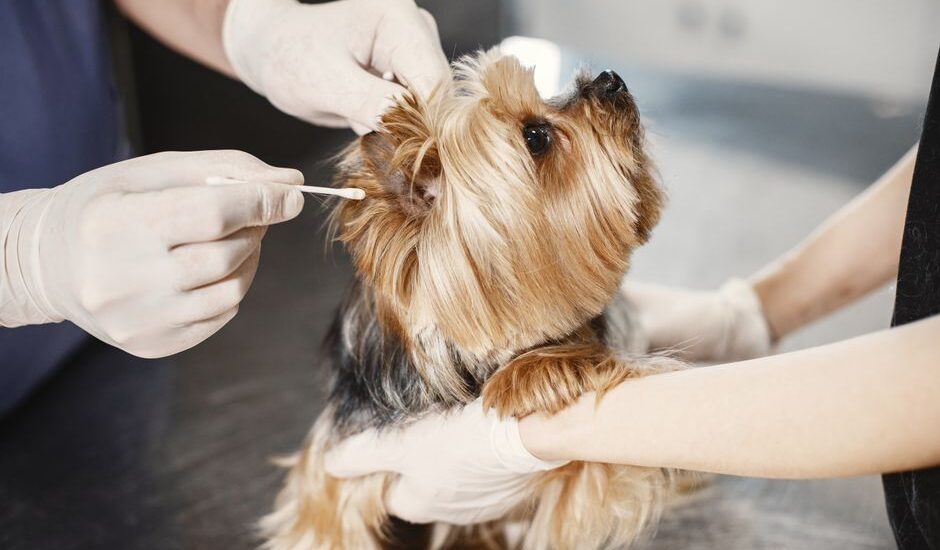
- Lift the ear flap and inspect. Check for excessive debris, redness, or discharge. If the ear is very dirty, gently wipe the outer ear with a cotton pad (never insert anything deep into the canal).
- Administer the prescribed number of drops. Hold the applicator just above the opening of the ear canal—avoid touching the tip to the ear. Squeeze the bottle or pipette to release drops; count them carefully for the correct dose.
- Massage the base of the ear. Gently rub the base of your dog’s ear for 20-30 seconds. This helps distribute the medication deep into the ear canal where it’s needed.
- Let your dog shake their head. Allowing a shake helps move the medication around. Wipe away any excess with a clean cotton pad.
- Reward with a treat. Reinforce calm behavior and make future treatments easier by offering a treat immediately after finishing.
Consistency is key—apply drops at the same time daily (or as prescribed) and complete the full course, even if symptoms improve.
View available optionsBreed and Life Stage: What Changes When Applying Ear Drops?
Breed matters more than most owners realize. Dogs with floppy, heavy ear flaps (think Golden Retrievers, Beagles, or Setters) tend to have less air circulation in their ears, making them prone to moisture buildup and infection. For these breeds, you’ll often need to gently lift and hold the ear flap up for a clear view and access, and may need to use a pre-measured pipette for better control.
Puppies have very small and delicate ear canals. Use only the gentlest applicators—never force anything into the canal, and avoid overfilling. Senior dogs may be more sensitive to touch, making a soft-tip applicator or a second pair of hands essential. For brachycephalic breeds (like Bulldogs), ear canals can be unusually narrow, so a syringe (no needle) with a soft tip can help deliver drops precisely without trauma.
Always tailor your approach: a one-size-fits-all method can lead to mistakes, stress, or even injury, especially in dogs with chronic ear issues or surgery history.
Common Mistakes and How to Avoid Them
- Touching the applicator tip to the ear: This contaminates the medication and risks infection. Always hover just above the canal.
- Inserting cotton swabs: Never put anything deep into the ear canal. Swabs can push debris further in or cause injury.
- Using the wrong dose: Overdosing can irritate; underdosing won’t resolve the issue. Use applicators that allow for increments as small as 0.1 ml for puppies or small breeds.
- Skipping ear massages: Without massaging the base, medication may not reach the horizontal canal where infection lives.
- Stopping treatment early: Even if symptoms improve, finish the prescribed course to prevent recurrence or resistance.
Quick decision tree
- If your dog is small or a puppy: Use a pre-measured pipette for accurate dosing and less mess.
- If your dog flinches or is sensitive: Choose a soft-tip applicator to avoid startling or hurting them.
- If the ear canal is hard to access: Try a syringe (without needle) for more controlled delivery.
- If you want the lowest mess: Pre-measured pipettes or soft-tip applicators are your best bet.
- If budget is the top concern: Standard bottle droppers are widely available and affordable, but require more care to use cleanly.
Related Guides
- Dog Eye Drops 2026: Our Top Picks
- How to Apply Flea Treatment on Dogs: A Step-by-Step Guide
- Dog Life Jackets Reviewed: Which Are Truly Safe and Comfortable?
- The Best Dog Strollers for Comfort and Convenience
- Dog Dental Chews That Actually Work: A Guide to Cleaner Teeth
- Our guide to Why Is My Dog Panting While Resting? Causes and What to Do About It
- Browse all Care Guides →
Safety Considerations and When to Consult a Vet
Never apply ear drops if you see signs of a ruptured eardrum—such as sudden severe pain, head tilt, loss of balance, or bloody discharge. In these cases, improper use of drops can cause permanent damage. If your dog’s ears are extremely red, swollen, or have a foul odor, consult your veterinarian before starting any treatment.
For dogs with a history of allergies or medication sensitivities, always double-check the active ingredients. Some solutions can cause irritation or allergic reactions, especially in breeds prone to sensitivities (like West Highland White Terriers or Poodles). For more on ear health and warning signs, the American Kennel Club provides a solid overview of canine ear care and when to seek professional help.
FAQ: Real Owner Questions About Dog Ear Drops
How long should I massage my dog’s ear after applying drops?
Massage the base of the ear for 20-30 seconds after administering the drops. This helps the medication travel down the vertical and horizontal canals for maximum effectiveness, especially in breeds with deep or L-shaped ear canals.
Can I use human ear drops for my dog?
Never use human ear drops on dogs unless specifically instructed by a veterinarian. Ingredients and concentrations can differ significantly, and some substances safe for people can harm canine ears or worsen infections.
What’s the difference between a standard dropper and a pre-measured pipette?
A standard dropper dispenses larger volumes (typically in 0.5 ml increments) and is best for medium to large dogs. Pre-measured pipettes allow for precise dosing as low as 0.1 ml, making them ideal for small breeds or puppies where accuracy and mess control matter most.
How often should ear drops be applied—once or twice daily?
Most veterinary-prescribed ear drops are administered once or twice daily, but always follow your vet’s instructions and the medication label. Applying too often can cause irritation, while missing doses may reduce effectiveness.
What if my dog shakes their head immediately after application?
Some shaking is normal and actually helps distribute the medication. However, if your dog shakes vigorously and expels most of the drops, wait a few minutes and reapply only if directed by your veterinarian. Offering a treat right after application can help distract them and reduce immediate shaking.
Are there any risks if I accidentally miss a dose?
Missing a single dose is usually not critical, but it’s important to get back on schedule as soon as possible. Skipping multiple doses or stopping early can allow the infection to return or become resistant to treatment. If you miss more than one dose, check with your vet for guidance.
Which applicator type is best for dogs with sensitive ears?
Soft-tip applicators or pre-measured pipettes are the gentlest choices for sensitive or fearful dogs. These tools minimize discomfort and reduce the risk of startling or injuring your dog during application.
Closing Recommendation: Make Application Calm and Consistent
Applying ear drops is about more than just following instructions; it’s about reading your dog, choosing the right tool, and taking the time to do it calmly. Whether you’re treating a chronic infection or a one-off irritation, your technique makes all the difference. For most owners, investing in the right applicator—matched to your dog’s size, sensitivity, and behavior—pays off in less mess, less stress, and better results. Don’t rush, don’t skip the massage, and always finish the course. Your dog’s ears will thank you.
Last updated: June 2026 · About our research