Disclosure: As an Amazon Associate and eBay Partner Network publisher, we earn from qualifying purchases. This doesn’t affect what we recommend or how we describe it.
7 min read
The best dog food for your companion is rarely the same as what works for your neighbour’s dog — and it almost never matches the claims on the front of the bag. Nutritional needs change dramatically between breeds, life stages, and health situations. Yet, most commercial foods are designed for “average” dogs, a category that barely exists in real life. Before you buy, it’s essential to get specific: what does your dog actually need, and how do you see that reflected in real ingredient lists, calorie counts, kibble size, and feeding guidelines? For more detail, see WSAVA Global Nutrition Guidelines.
How Nutritional Needs Really Vary: Breed, Age, and Activity Level
Dog food isn’t one-size-fits-all — not even close. A 12-pound senior Shih Tzu and a 95-pound adolescent Labrador have radically different metabolic rates, protein needs, and chewing abilities. For example, a high-energy working breed can require 30%+ more calories per pound than a toy breed, while puppies need diets with at least 22% protein and 8% fat (by dry matter) to support growth, according to AAFCO standards.
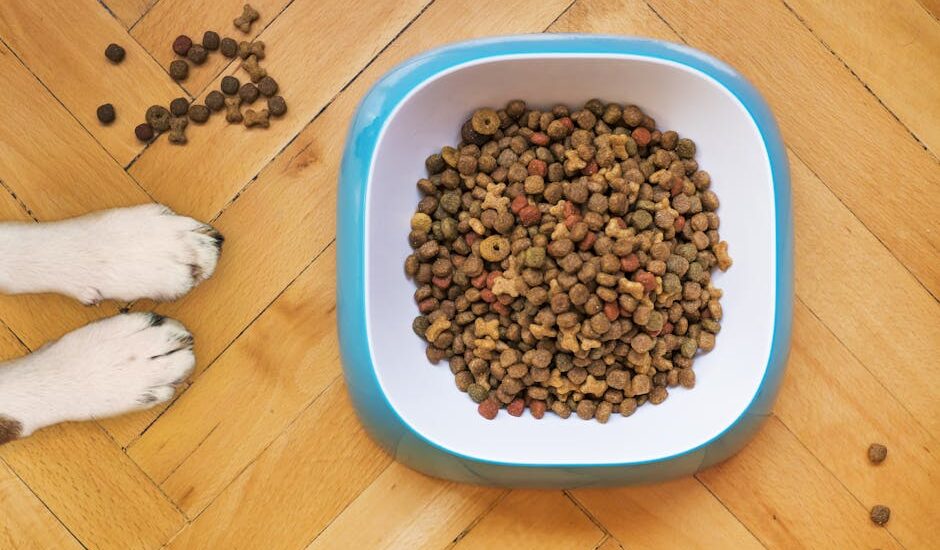
Size matters, too: kibble diameter for small-breed formulas typically ranges from 7-10mm, while large-breed foods often use pieces 14-18mm across to prevent gulping and reduce bloat risk. Senior dogs, meanwhile, may benefit from lower-calorie, joint-supporting formulas — but only if they maintain muscle mass, so protein should rarely drop below 18%.
Want to see what’s on the shelves right now? Check current selection →
Comparison Table: Which Type of Dog Food Fits Which Dog?
| Buying Profile | Ideal For | Typical Protein % (Dry Matter) | Kibble/Piece Size | Main Advantages | Main Drawbacks |
|---|---|---|---|---|---|
| High-Protein Active Dog Formula | Young, high-activity breeds (e.g. herding, sporting) | 28–32% | 12–16mm | Supports intense exercise, muscle repair | May cause weight gain in low-activity dogs |
| Small-Breed Focused Recipe | Dogs under 20 lbs, toy breeds, picky eaters | 24–28% | 7–10mm | Small kibble, calorie-dense, easy to chew | Easy to overfeed, higher cost per pound |
| Large-Breed Joint Support Formula | Dogs over 50 lbs, prone to joint issues | 22–26% | 14–18mm | Controlled calcium/phosphorus, glucosamine added | Large kibble may not suit all breeds |
| Puppy Growth Diet | All breeds under 12–18 months | 22–32% | Varies by breed | Balanced for development, DHA for brain health | Not suitable for adults; can cause rapid growth in large breeds if not carefully formulated |
| Senior/Weight Management Formula | Dogs 7+ years, overweight, or low activity | 18–22% | 10–14mm | Lower calorie, added fiber, joint supplements | May be unpalatable for picky eaters; risk of muscle loss if protein is too low |
| Limited Ingredient Diet | Dogs with food sensitivities/allergies | 20–26% | 10–14mm | Simple proteins, minimal additives | Less variety, typically higher price |
What Actually Makes a Dog Food “Best” — And What’s Marketing
No single food can claim to be “the best” for all dogs. Instead, look for concrete nutritional adequacy statements — specifically, an AAFCO or FEDIAF claim that the food is complete and balanced for your dog’s life stage. Ingredient lists matter, but so do guaranteed analysis numbers: for example, “meat-first” is meaningless if protein is only 19% and the rest is filler.
Watch for red flags: vague protein sources (“animal meal” vs. “chicken meal”), excessive carbohydrate content (over 45% as fed), and artificial dyes or preservatives. Foods with clear, named proteins, moderate fat (12–18% for adults), and a digestible fiber source (like beet pulp or pumpkin) generally perform better for most dogs.
Don’t be swayed by buzzwords like “grain-free” unless your dog has a documented allergy. In fact, some grain-free diets have been linked to heart issues in certain breeds, especially when peas, lentils, and potatoes are the main carbohydrate sources.
Breed-Specific Considerations: Why One Food Won’t Fit All
Breed traits play a surprisingly large role in choosing the best food. For instance, many giant breeds (Great Danes, Mastiffs) are prone to orthopedic issues and benefit from lower calcium (below 1.2%) during growth, while Dachshunds and Corgis need calorie control to manage back issues. Flat-faced breeds (French Bulldogs, Pugs) may require smaller, flatter kibble shapes to reduce choking risk, and breeds with long coats (Collies, Huskies) often need slightly higher omega-3 content for skin and coat health.
Always check the feeding guidelines by weight and adjust for your specific dog’s metabolism; a 55-lb Border Collie and a 55-lb Bulldog have very different calorie needs.
How to Decode Labels and Feeding Guidelines
Ignore marketing claims on the front and head straight for the back of the bag. The “guaranteed analysis” panel will give you protein, fat, fiber, and moisture content. For dry foods, protein should generally be at least 22% for adults and 24% for puppies (as fed), with fat above 10% unless your dog is on a strict weight-loss plan. Moisture content for wet foods is typically 75–78%, so the numbers look lower; always compare on a dry matter basis.
Feeding guidelines are just starting points. If your dog’s weight changes by more than 5% up or down over a month, adjust the portion size. For multi-dog households, monitor each dog’s body condition score (BCS) — you want to feel ribs easily but not see them, and the waist should be visible from above.
See what’s availableCommon Mistakes: What to Avoid When Choosing Dog Food
- Switching foods too often: Sudden changes can cause GI upset; always transition over 5–7 days, mixing old and new food in increasing ratios.
- Ignoring life stage: Feeding puppy food to adults can lead to obesity; senior dogs on high-calorie formulas may gain weight or strain kidneys.
- Trusting “all life stages” claims blindly: These foods are often formulated for puppies, so may be too rich for sedentary adults.
- Overfeeding treats and toppers: Treats should never exceed 10% of daily calories; excessive extras can unbalance the diet.
- Assuming grain-free is always better: Unless medically necessary, grains can be a good source of energy and fiber.
Wet, Dry, or Fresh? Pros, Cons, and Suitability by Dog Type
Dry foods (kibble) are convenient, have a long shelf life (typically 12–18 months unopened), and are good for most healthy adult dogs. Wet foods are palatable and hydrating, but often higher in fat and cost, with open-can shelf life of just 2–3 days refrigerated. Fresh-cooked and raw-style diets can offer excellent ingredient quality, but require strict handling for safety — and costs can run 2–4x that of kibble.
For dogs with dental issues, wet or soft foods may be necessary. For large breeds, kibble helps slow eating and reduce bloat risk. Fresh foods are often best for dogs with food allergies or owners seeking maximum ingredient transparency — but portion control is critical, as fresh diets are calorie-dense.
View available optionsRelated Guides
- How to Tell If Your Dog Has a Food Allergy: Key Signs to Watch For
- How to Pick Up Soft Dog Poop in Grass: Tips and Tools That Work
- How to Choose the Right Size Travel Crate for Your Dog
- The Best Dog Toys Worth Buying: Our Expert Picks and Tips
- Wet Dog Food vs Dry: Which Is Better for Your Pet?
- Browse all Buying Guides →
Transitioning Your Dog to a New Food: Step-by-Step
To avoid digestive upset, transition to a new food over at least 5–7 days. Start with 75% old food and 25% new for two days, then move to a 50/50 mix for another two, and then 25% old/75% new before switching fully. Watch for signs of intolerance (vomiting, diarrhea, itching); if these persist, consult a vet — don’t just switch back and forth between brands.
Compare today’s dealsFAQs: What People Also Ask About the Best Dog Food
How do I know if my dog’s food is actually “complete and balanced”?
Look for an AAFCO or FEDIAF statement on the packaging that specifies the food meets nutritional requirements for your dog’s life stage. This is more important than marketing claims or ingredient lists alone.
Is grain-free dog food healthier?
Not necessarily. Unless your dog has a diagnosed grain allergy, grain-free diets have no proven benefit and may carry risks for certain breeds. Some grain-free formulas have been linked to heart issues, particularly those high in peas, lentils, or potatoes.
How often should I change my dog’s food?
Frequent changes are not recommended unless needed for medical reasons. Most dogs do best on a consistent diet, with transitions only as they age or if health needs change. Always transition slowly to prevent stomach upset.
What if my dog is a picky eater?
Picky eating can be caused by overfeeding treats, inconsistent schedules, or underlying health issues. Try reducing treats, sticking to regular meal times, and consider warming food or adding a small amount of low-sodium broth for palatability. Persistent pickiness warrants a vet check.
Are homemade or fresh dog foods better than commercial diets?
Homemade and fresh foods can be excellent if properly balanced, but it’s easy to miss essential nutrients. Consult a veterinary nutritionist before making homemade food a staple. Many commercial fresh diets are complete, but check for nutritional adequacy statements.
How much should I feed my dog?
Start with the feeding guide on your chosen food, but adjust based on your dog’s body condition and activity level. Monitor their weight monthly and aim for a visible waist and easily felt ribs. Portion needs can vary by up to 30% between individual dogs of the same weight.
Opinionated Take: There’s No “Best” — Only Best Fit
The best dog food is the one that matches your dog’s unique needs, fits your routine, and keeps them healthy and thriving. Ignore hype and focus on real nutritional data, ingredient transparency, and suitability for your dog’s breed, age, and lifestyle. When in doubt, consult your vet — but remember, you know your dog’s day-to-day best. Choose thoughtfully, monitor results, and don’t be afraid to adjust as your dog’s needs change.