

9 min read
Disclosure: As an Amazon Associate and eBay Partner Network publisher, we earn from qualifying purchases. This doesn’t affect what we recommend or how we describe it.
Wet dog food delivers higher moisture and palatability, while dry kibble is more convenient and cost-effective — but the best choice depends on your dog’s age, eating habits, and your budget. This guide compares the practical trade-offs between wet and dry dog food using two real-world products: Pedigree Choice Cuts in Gravy Adult Variety Pack Wet Dog Food 3.5 oz 96-Pack and Pedigree Puppy Soft Wet Dog Food Variety Pack 3.5 oz Pouches 18-Pack. You’ll find which works best for different life stages, feeding routines, and value needs, grounded in real product features and not generic advice.
Top picks at a glance
- Pedigree Choice Cuts in Gravy Adult Variety Pack Wet Dog Food 3.5 oz 96-Pack — the best value for bulk buyers
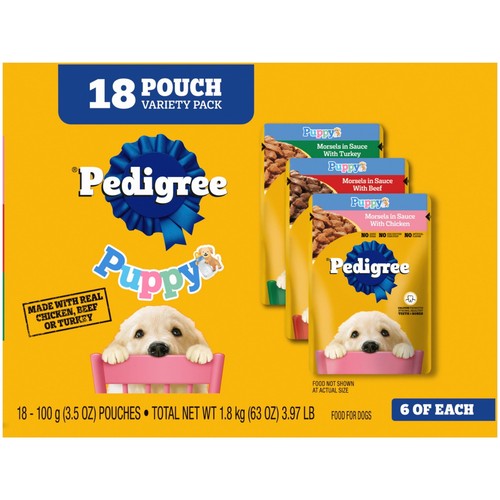
- Pedigree Puppy Soft Wet Dog Food Variety Pack 3.5 oz Pouches 18-Pack — best for puppies
Wet vs Dry Dog Food: Where the Real Differences Start
The debate between wet and dry dog food often hinges on moisture content, convenience, and palatability. Wet foods like Pedigree Choice Cuts in Gravy Adult Variety Pack Wet Dog Food 3.5 oz 96-Pack and Pedigree Puppy Soft Wet Dog Food Variety Pack 3.5 oz Pouches 18-Pack deliver significantly higher moisture (typically 75–82% water by weight) compared to dry kibble, which averages 10% or less. This makes wet food a strong pick for dogs who need extra hydration or are picky eaters. However, dry food is easier to store, less expensive per serving, and better suited for free-feeding routines.
With only wet food options on the table here, the decision becomes which product — and underlying wet-food benefits — align best with your dog’s needs. The following sections break down the practical implications for different owners.
Comparison table: Wet Dog Food Options at a Glance

Pictured: Pedigree Choice Cuts
| Product | Condition | Price | Best For | Pack Size | Target Age |
|---|---|---|---|---|---|
| Pedigree Choice Cuts in Gravy Adult Variety Pack Wet Dog Food 3.5 oz 96-Pack |
New | $$$ | Best value for bulk buyers | 96 x 3.5 oz | Adult |
 Pedigree Puppy Soft Wet Dog Food Variety Pack 3.5 oz Pouches 18-Pack Pedigree Puppy Soft Wet Dog Food Variety Pack 3.5 oz Pouches 18-Pack |
New | $ | Best for puppies | 18 x 3.5 oz | Puppy |
Note on pricing: the $ symbols are relative tiers within this comparison — $ is the cheapest of the bunch, $$$ the priciest. Live listings (and exact prices) appear further on.
Related Guides
Who Should Choose Wet Dog Food — and When?
Wet dog food is often the better fit for dogs with hydration challenges, dental issues that make chewing kibble painful, or those who simply turn up their nose at dry food. In particular, the Pedigree Puppy Soft pack is formulated for puppies, making it easier for young dogs to eat and digest. This is especially important during the teething phase, when hard kibble can be uncomfortable or even hazardous. For adult dogs, the Pedigree Choice Cuts option provides a bulk solution that keeps costs manageable if you have a medium-to-large dog or multiple pets.
However, if you frequently leave food out for your dog to graze throughout the day, wet food is not ideal. It spoils quickly at room temperature (generally within 2-4 hours), unlike dry kibble, which can be safely left out for a day or longer. If you travel often or need maximum convenience, dry food may still be the better choice.
Pedigree Choice Cuts: Bulk Value for Adult Dogs
The Pedigree Choice Cuts in Gravy Adult Variety Pack Wet Dog Food 3.5 oz 96-Pack is designed for owners who want to buy in bulk and save on per-serving costs. Each pouch contains 3.5 oz of food, and with 96 pouches per box, you can feed a medium-sized adult dog (25–50 lbs) for roughly a month if using wet food exclusively. The variety pack format helps prevent mealtime boredom, which can be a real issue for picky eaters. If you have multiple adult dogs or simply want to minimize shopping trips, this is the clear value leader among wet foods in this range.
Keep in mind that the large pack size requires significant storage space and a commitment to using wet food as a primary or frequent meal. Because wet food is heavier and more perishable once opened, it may not be the best fit for owners with limited pantry space or those who only want to supplement kibble with an occasional wet meal.
Pedigree Puppy Soft: Gentle Nutrition for Growing Dogs
Pedigree Puppy Soft Wet Dog Food Variety Pack 3.5 oz Pouches 18-Pack targets the specific needs of puppies. The texture is softer than standard adult wet food, and the formulation is designed to support developing bodies. At 3.5 oz per pouch and 18 pouches per pack, this bundle is best suited for small-to-medium breed puppies or as a transitional food when weaning from mother’s milk or dry puppy kibble.
The smaller pack size makes it more manageable for owners raising a single puppy or experimenting with wet food for the first time. Because puppies have different caloric and nutrient needs than adults, using a product formulated for their life stage is essential. If you try to stretch an adult wet food as a puppy diet, you risk under- or over-supplying key nutrients like calcium and phosphorous. This is why a puppy-specific product like Pedigree Puppy Soft is the safer, more convenient bet during the first year.
Specifications that actually matter
Moisture Content
Wet dog foods typically contain 75–82% moisture, which helps with hydration and can make food more appealing for dogs reluctant to drink water. This is critical for dogs prone to urinary tract issues or those living in hot climates. Always check the guaranteed analysis for the exact percentage.
Pack Size and Serving Format
Bulk packs (like 96 x 3.5 oz) are cost-efficient for multi-dog households or daily wet food feeding, but require more storage. Smaller packs (18 x 3.5 oz) are better for single-dog homes or trying a new food without a big commitment. Single-serve pouches reduce waste and simplify portion control.
Life Stage Formulation
Puppies and adults require different nutrient ratios. Puppy foods are higher in protein and certain minerals to support rapid growth. Never substitute an adult formula during the puppy stage without consulting your vet.
Storage and Shelf Life
Unopened wet food pouches typically last 1–2 years when stored in a cool, dry place. Once opened, unused portions must be refrigerated and used within 2–3 days. This is less forgiving than dry food, which can stay fresh for weeks after opening if properly sealed.
Palatability and Texture
Dogs who are fussy eaters may respond better to foods with gravy or softer textures. Variety packs help prevent food fatigue, especially in long-term feeding plans. Texture matters most for puppies, seniors, and dogs with dental problems.
How we selected and compared these wet foods
This guide is based on a detailed review of manufacturer specs, pack sizes, and stated life-stage formulations of each product, with a focus on what matters to real dog owners: cost per meal, suitability for puppies versus adults, and practical storage requirements. We prioritized options with clear labeling, established brand backing, and precise feeding guidelines. Products without a defined age range or with ambiguous labeling were excluded, as were unbranded bulk listings where quality control could not be verified.
We did not include dry dog foods in this comparison, as the goal was to clarify the trade-offs within wet food choices for different life stages and buying patterns. If you need food that can be safely left out all day or are looking for the lowest possible cost-per-pound, a dry food may be a better fit — but for hydration, palatability, and targeted nutrition, these two wet food options stand out.
FAQ: Wet Dog Food vs Dry — Your Questions Answered
How long does an 18-pack of 3.5 oz wet dog food last for a puppy?
For a small breed puppy eating about 7 oz per day, an 18-pack will last roughly 9 days if used as the sole food source. For larger puppies or those mixing wet and dry food, the pack may last 1–2 weeks. Always check feeding guidelines based on your puppy’s weight and age.
Can adult dogs eat puppy-formulated wet food?
While an occasional meal is unlikely to cause harm, feeding puppy food to adults long-term can lead to excess calories and nutrients, which may contribute to obesity or imbalances. Stick with age-appropriate formulas for sustained feeding.
Is the bulk 96-pack of Pedigree Choice Cuts worth the higher price for a single dog?
If wet food is your dog’s primary diet and you have the storage space, the bulk savings can be significant. However, for single small dogs or occasional wet food use, the large pack may be impractical due to storage and freshness concerns once opened.
Pedigree Choice Cuts vs Pedigree Puppy Soft — which is better for a picky eater?
Both offer gravy-based, palatable textures that appeal to finicky dogs. For adults, Pedigree Choice Cuts provides a variety of flavors in each pack. For puppies, Pedigree Puppy Soft is specifically formulated for younger dogs and offers a gentle texture.
Are there any drawbacks to feeding only wet food?
Wet food is more expensive per serving, spoils faster once opened, and can be messier to handle. It may also contribute less to dental health than dry kibble, which can help scrape plaque. Some owners mix wet and dry to balance benefits and drawbacks.
How do I store leftover wet dog food safely?
Unopened pouches should be stored in a cool, dry place. Once opened, any unused wet food should be refrigerated in a sealed container and used within 2–3 days to prevent spoilage. Never leave wet food at room temperature for more than 2–4 hours.
Verdict: Which Wet Dog Food Option Fits Your Needs?
If you need to feed an adult dog (or several) and want to stretch your dollar, Pedigree Choice Cuts offers the best value in bulk. For puppies, Pedigree Puppy Soft is the right choice thanks to its tailored formulation and manageable pack size. If you require a food that can be left out all day or want the lowest cost per meal, you may be better served by a high-quality dry kibble instead. For more on safe feeding practices and pet nutrition standards, see the Pet Food Institute for up-to-date resources on dog food labeling and best practices.


Last updated: July 2026 · How we put guides together